Alongside cattle
Cattle primarily graze grass; goats prefer leaves, woody shoots and brush. These different feeding preferences help them complement each other, reducing competition when ample browse is available and stocking is managed.
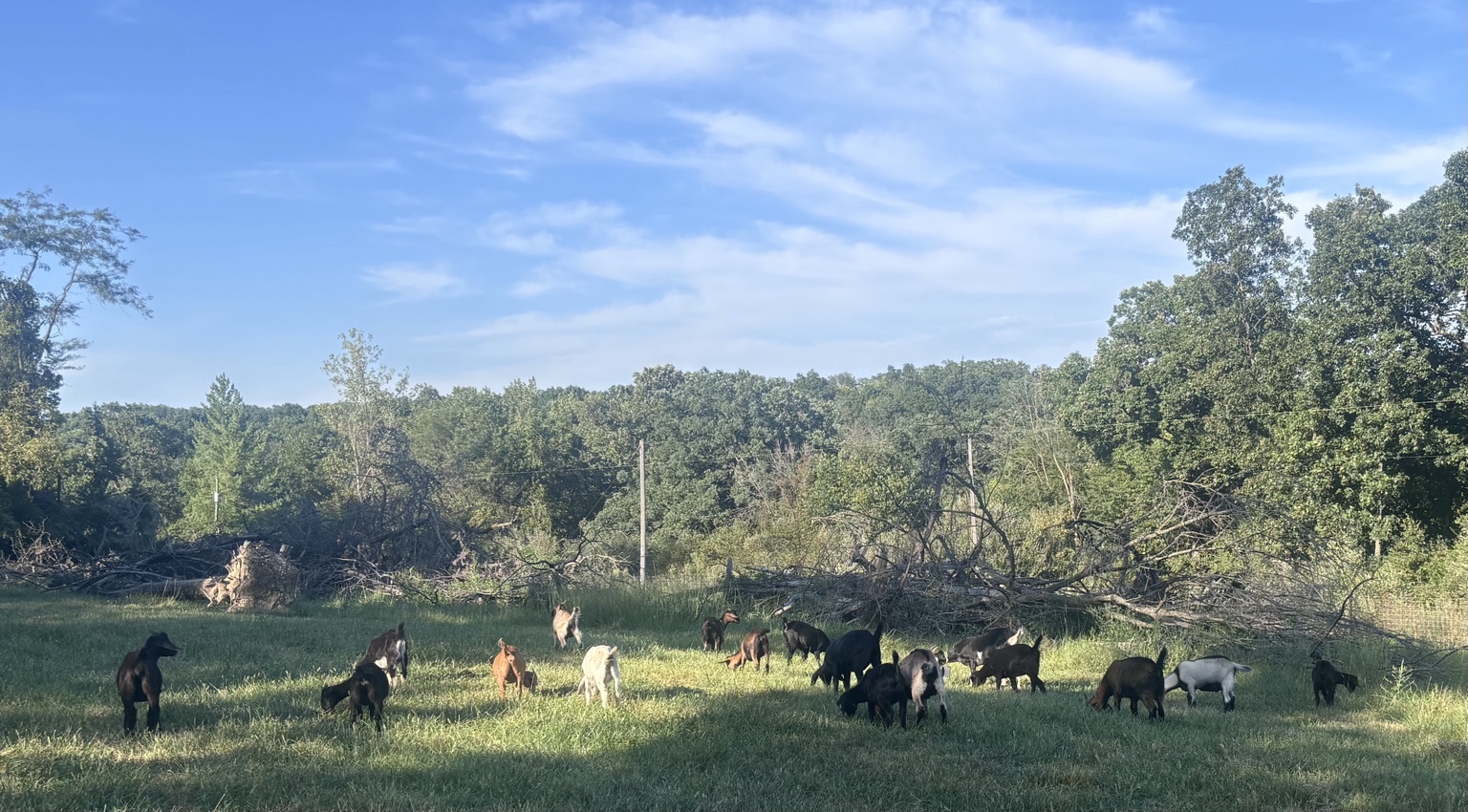
Hardy Spanish goats raised in northeast Missouri. Working with the land, one patch of brush at a time.
Explore brush control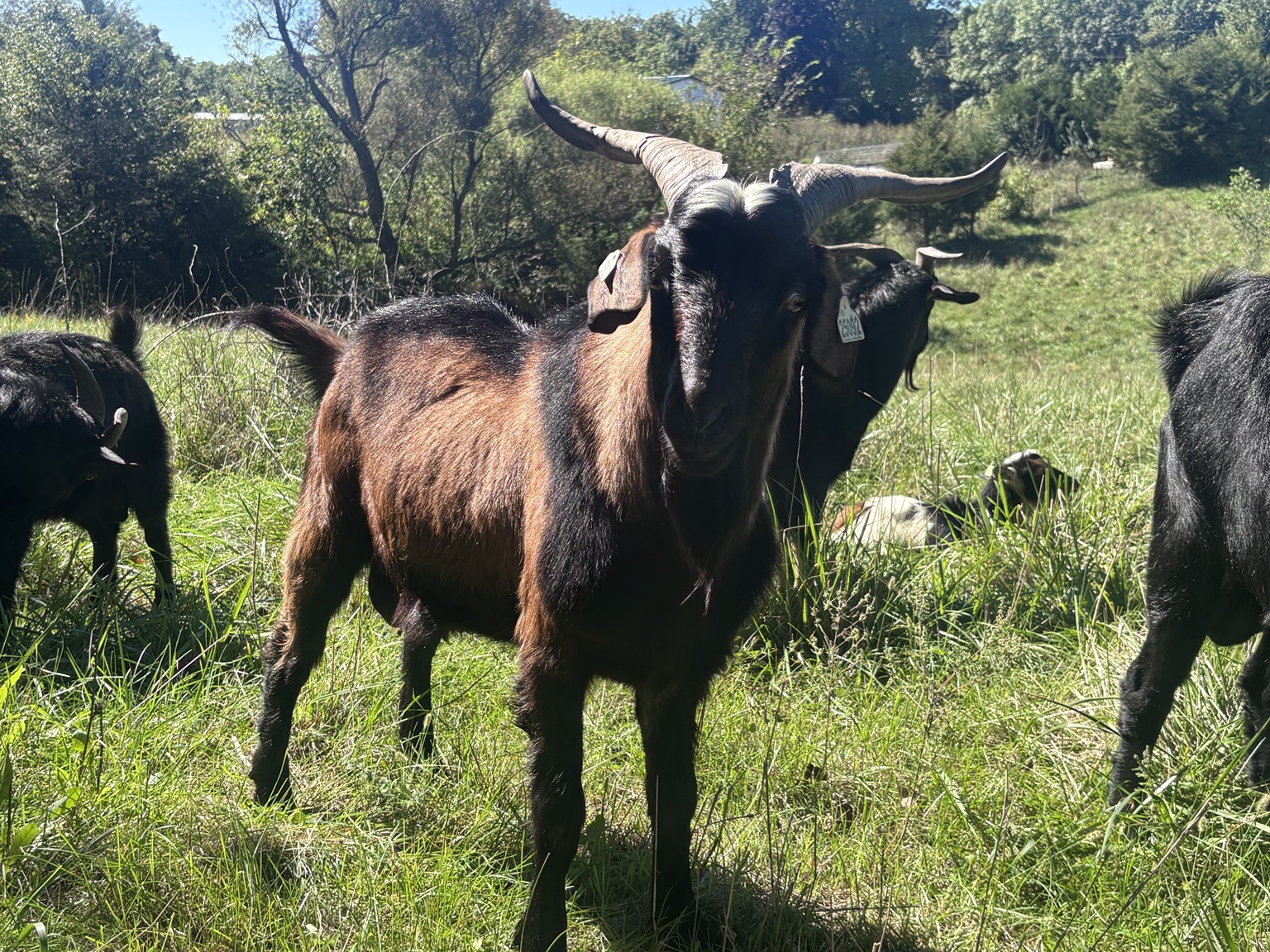
Pasture Partner Ranch is based near Kirksville, Missouri. Our Spanish goat herd combines Syfan and Kensing bloodlines, with a small amount of Sawyer genetics in our nannies.
Our goats are part of both sides of the ranch: raising livestock and putting their natural appetite for brush to work for landowners.
We also have an outstanding Sawyer billy that we intend to use as a future herd sire. Our focus is on hardy, productive goats for breeding, meat production and brush control.
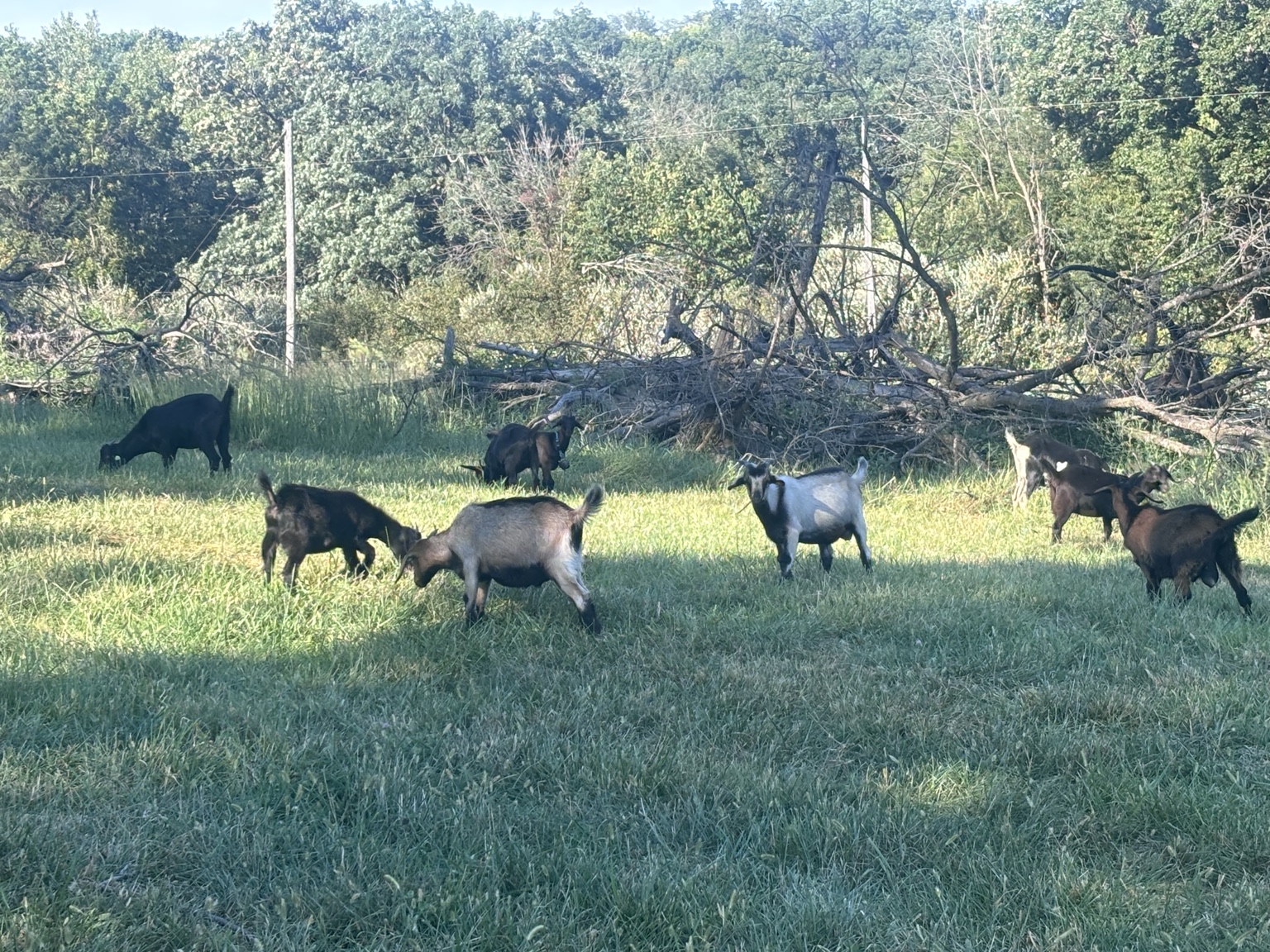
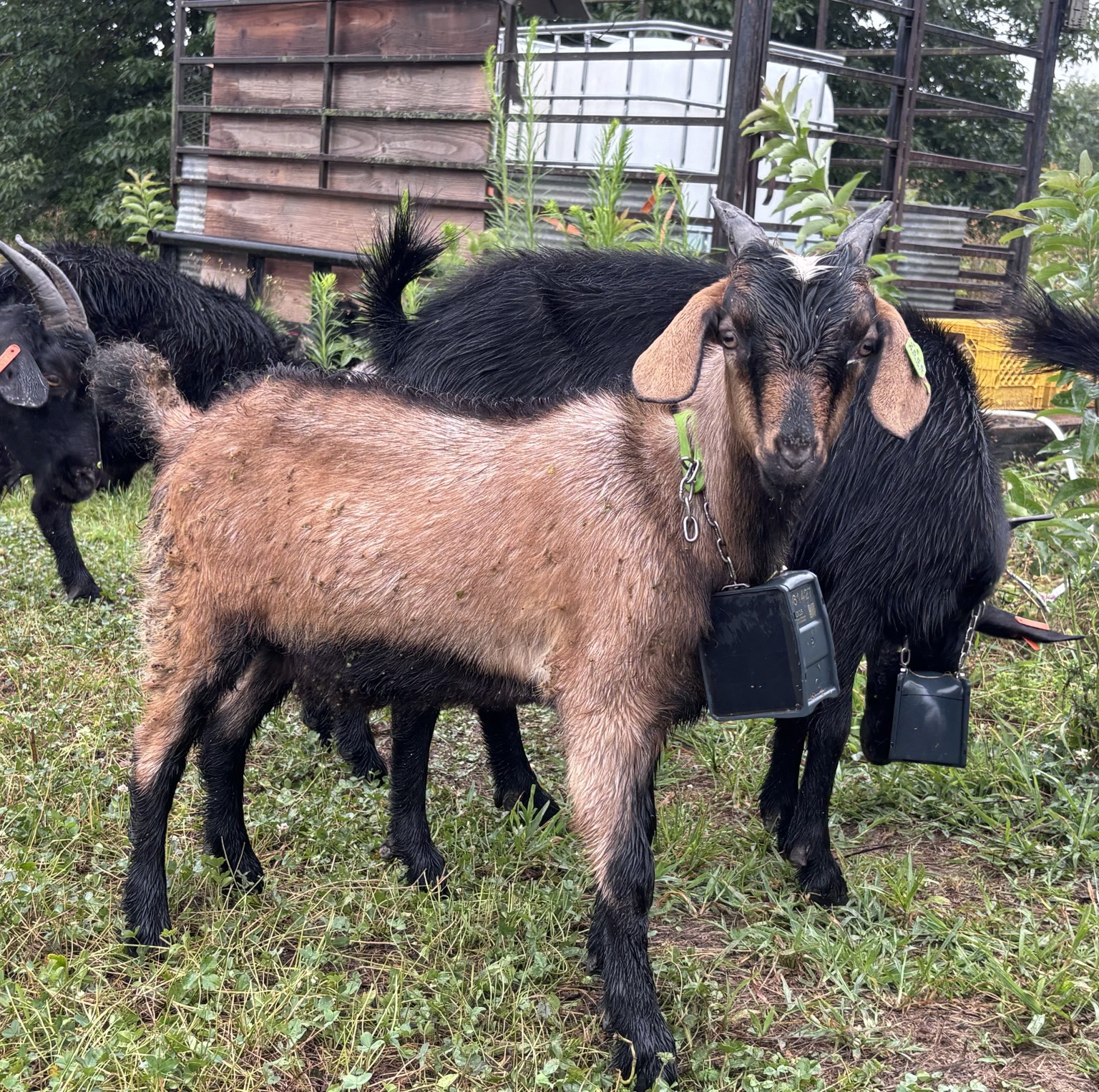
Explore Spanish goat bloodlinesA selection of showcase animals from Pasture Partner Ranch. These photos represent our herd; contact the ranch for current sale animals.
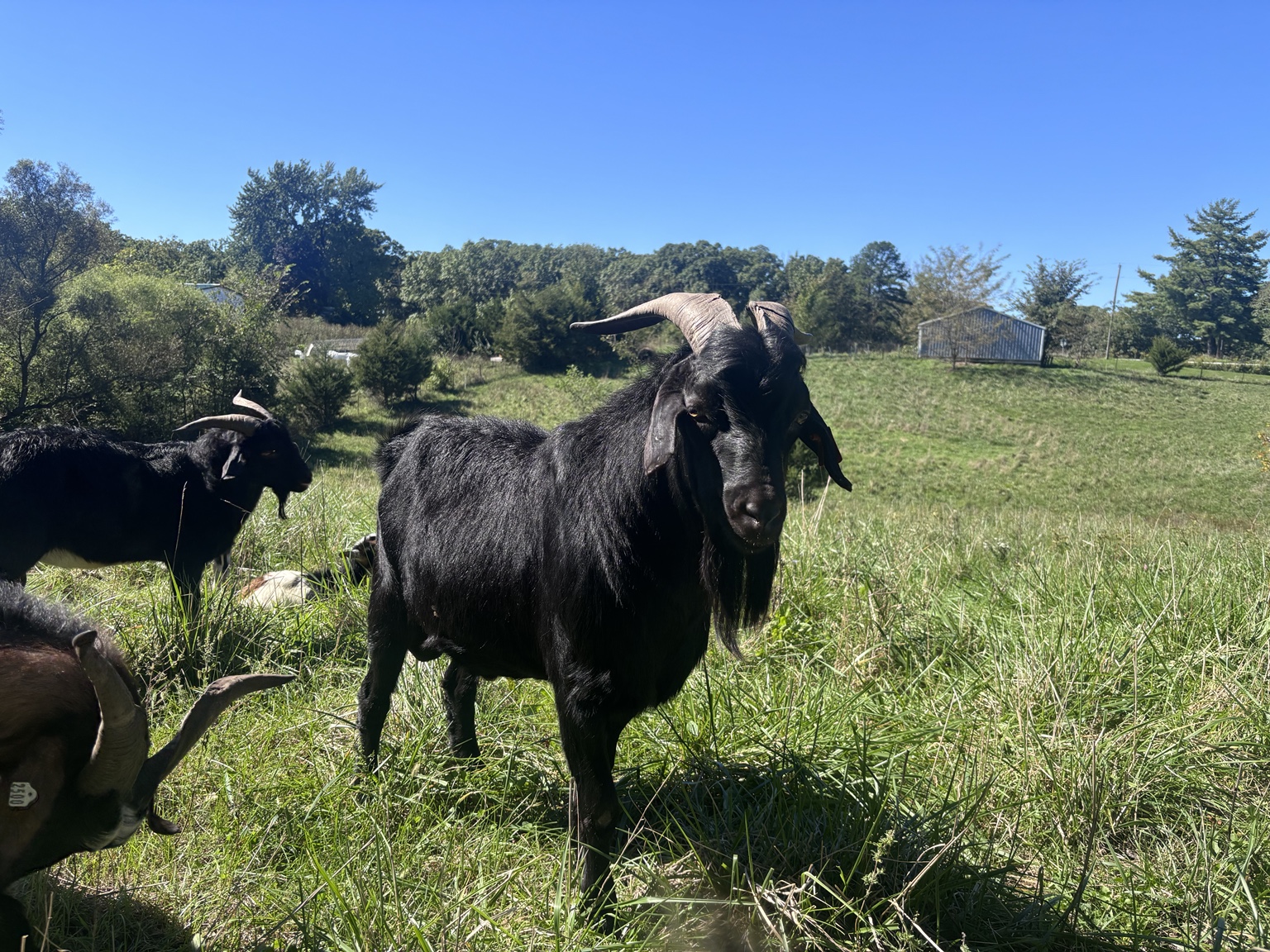
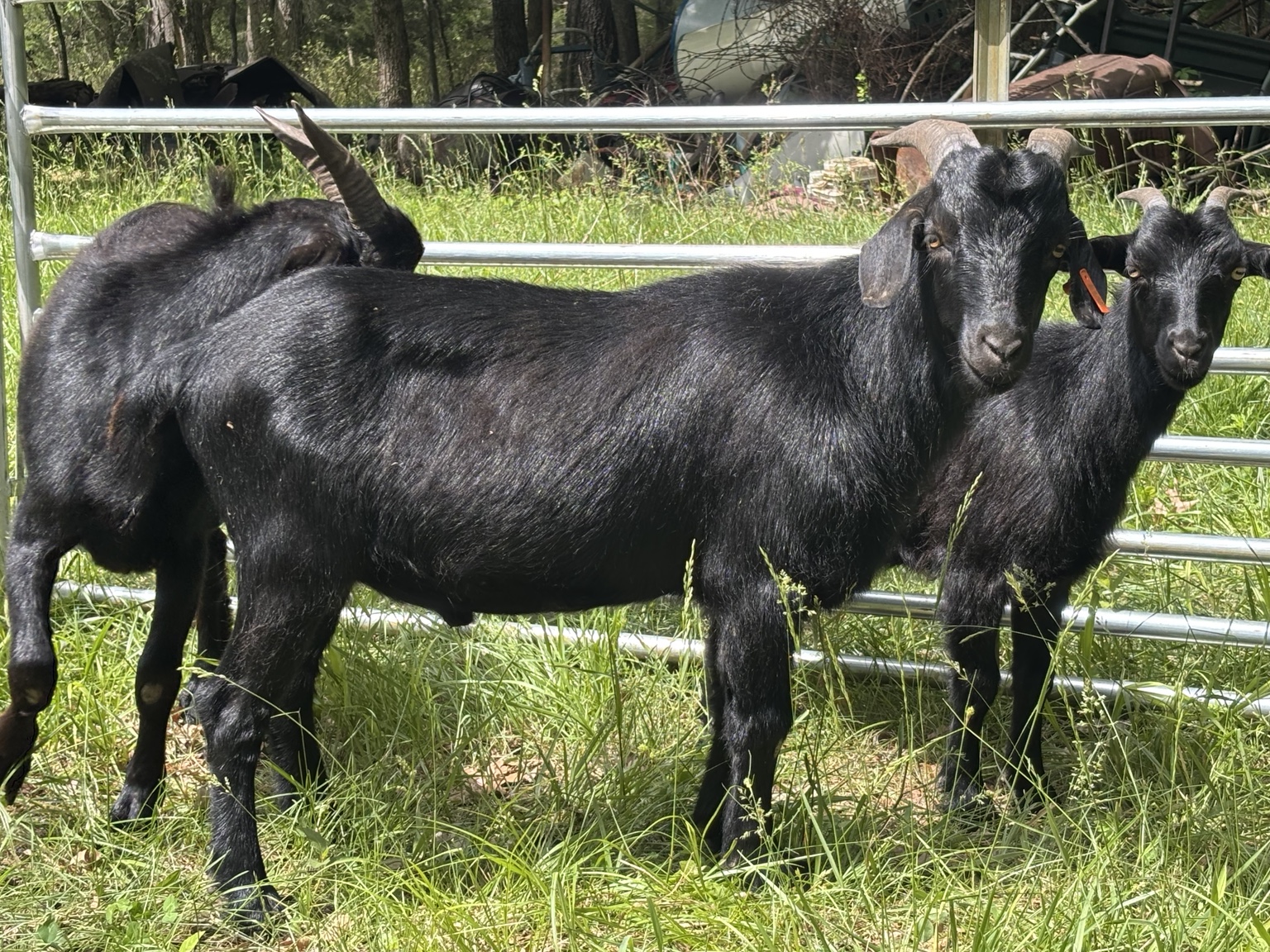
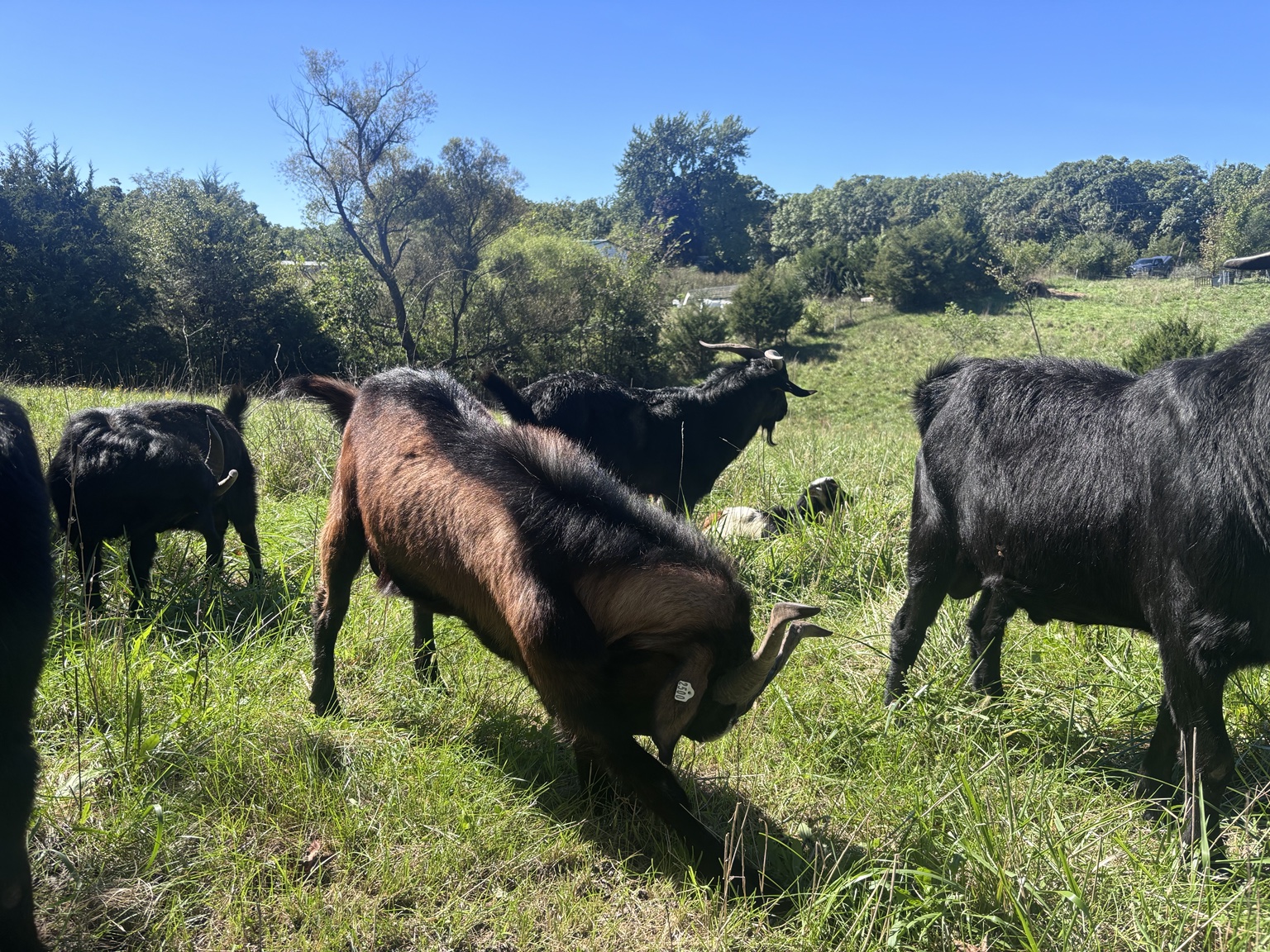
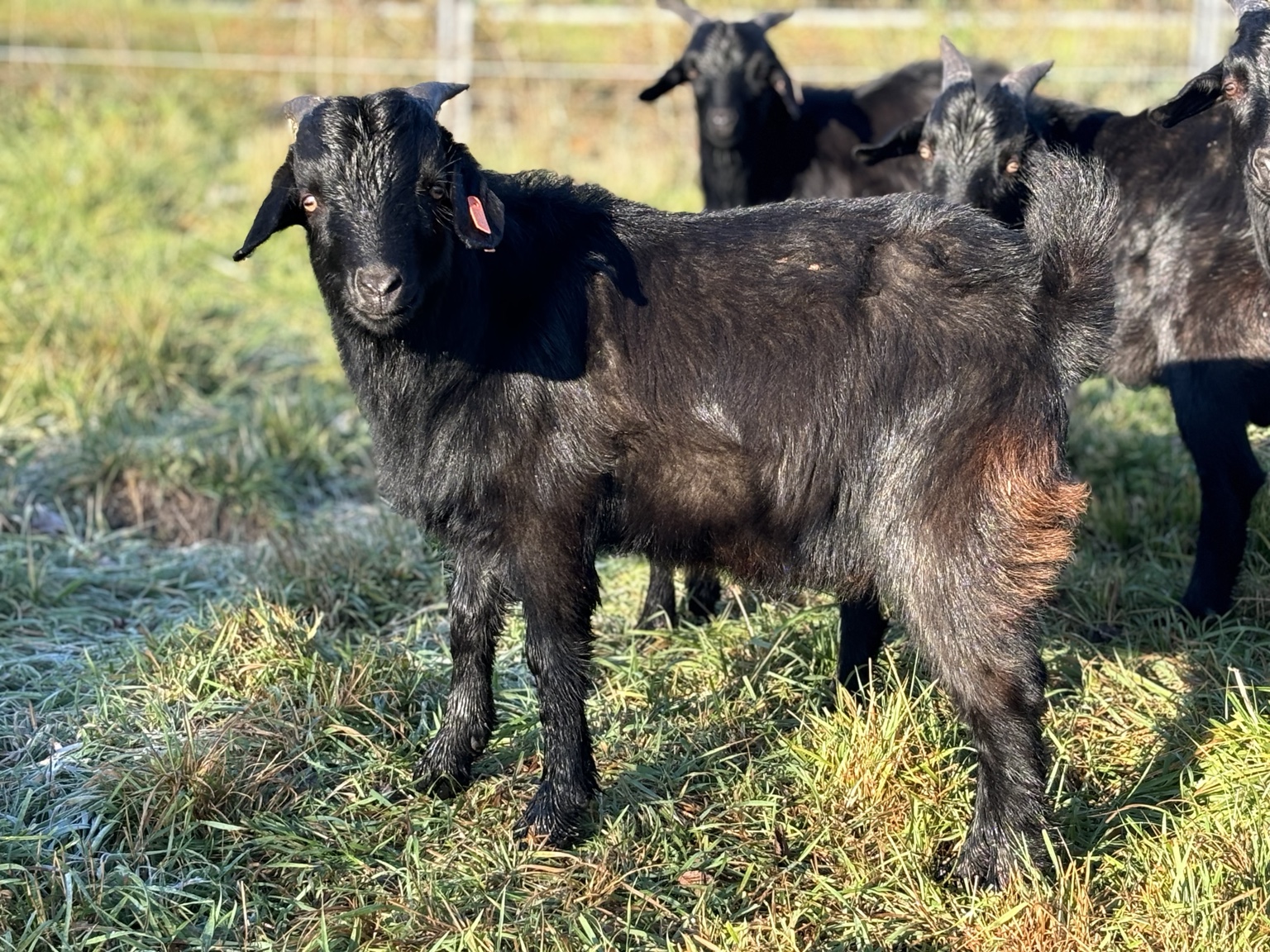
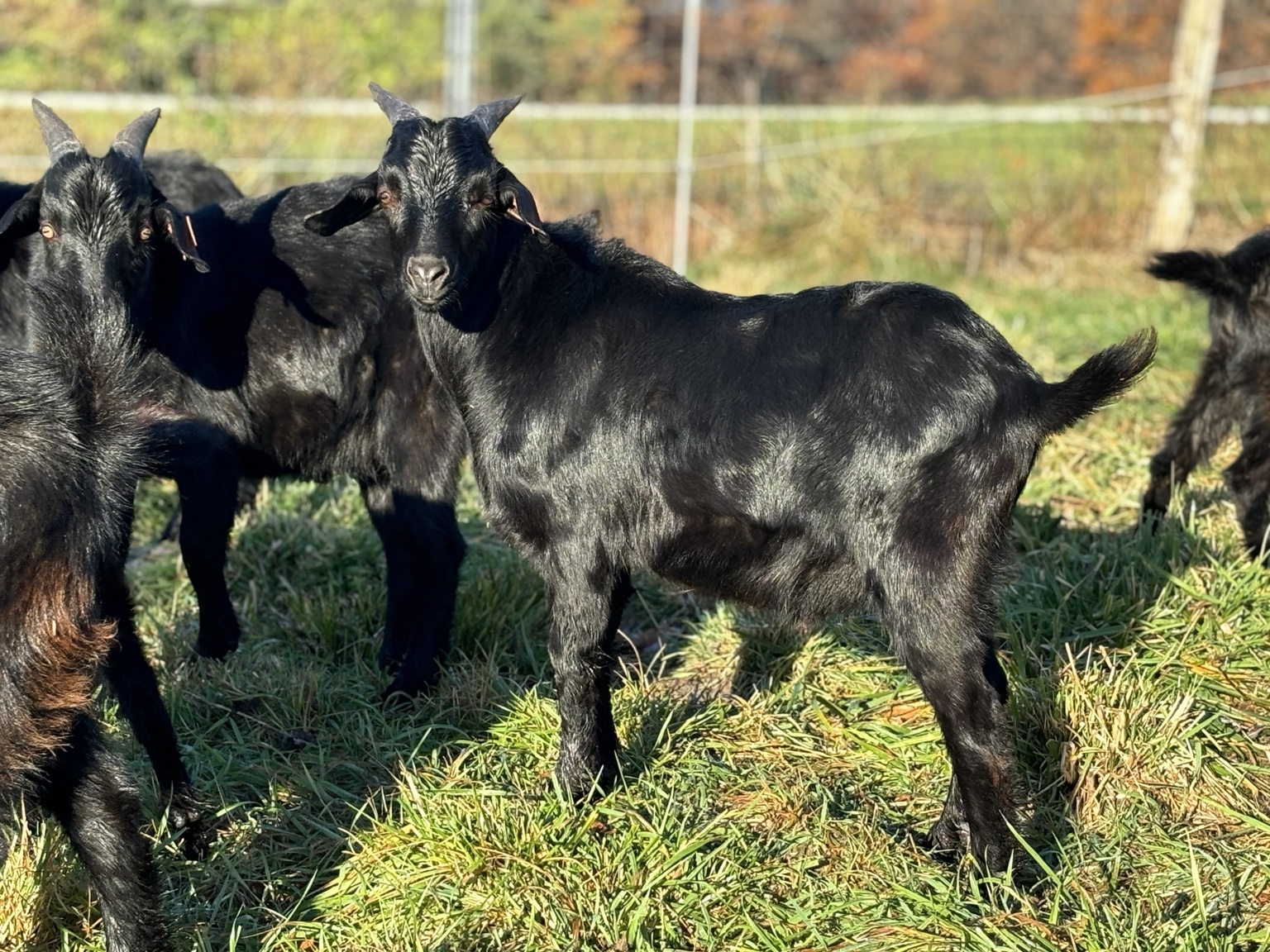
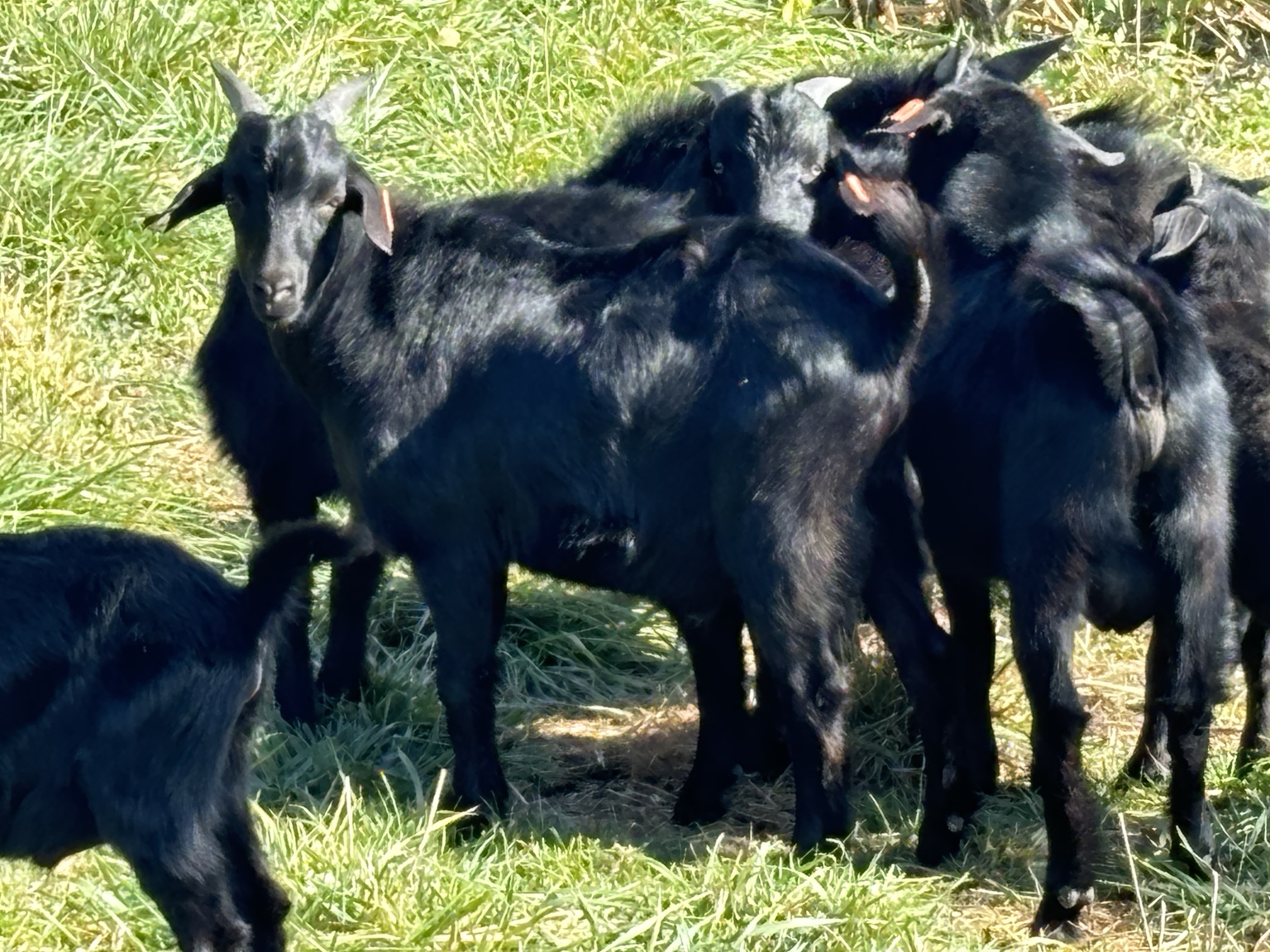
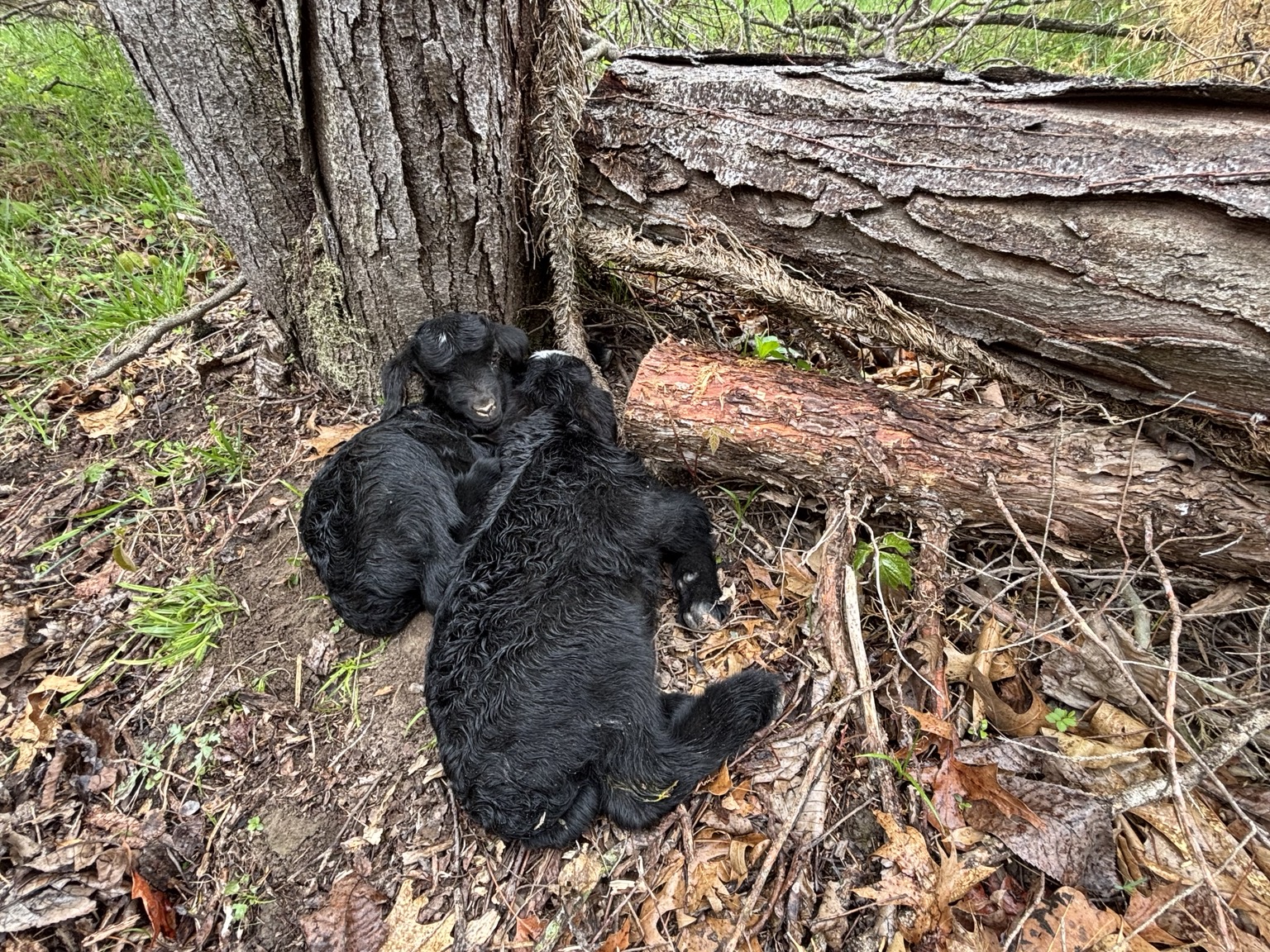
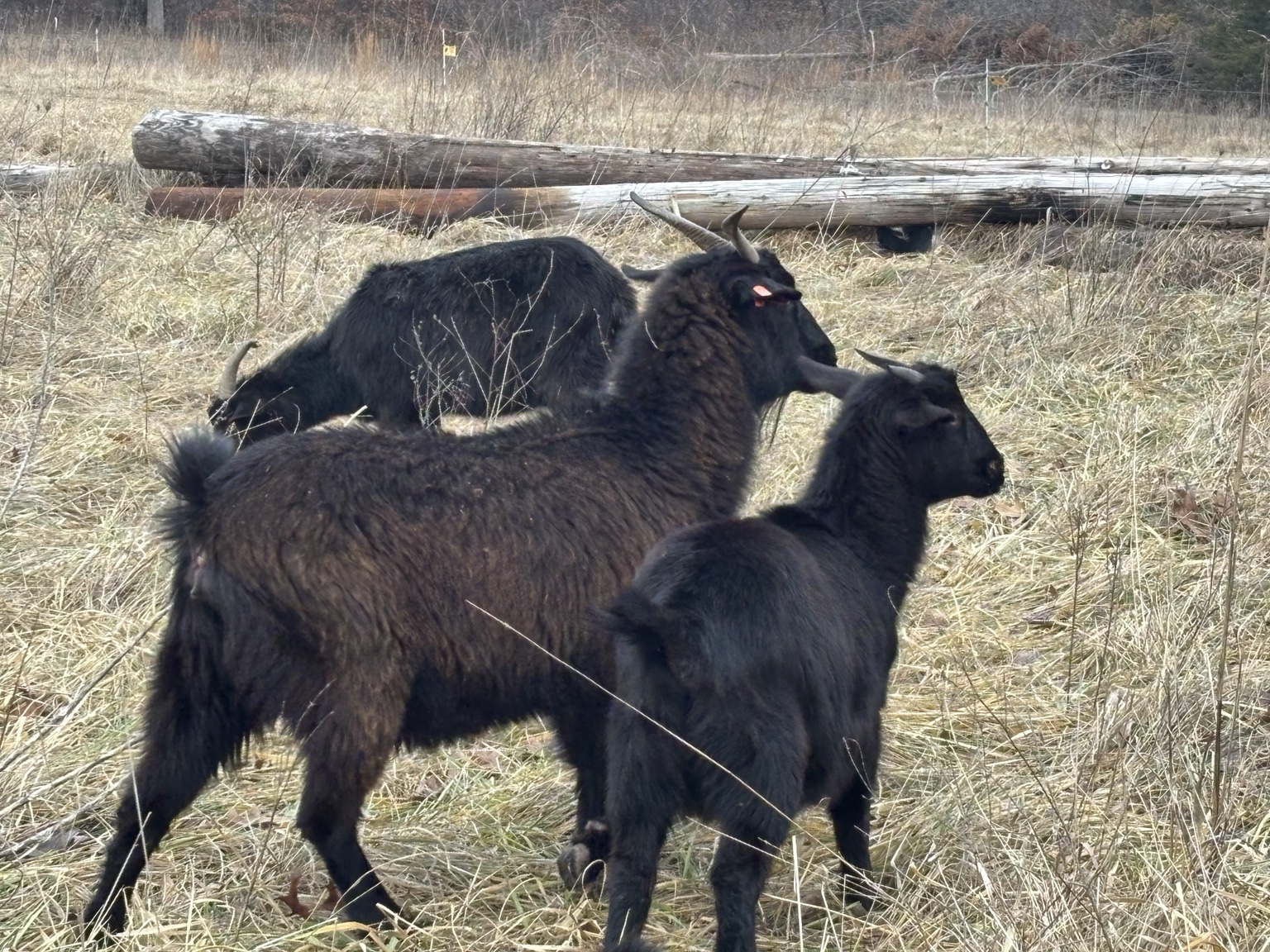
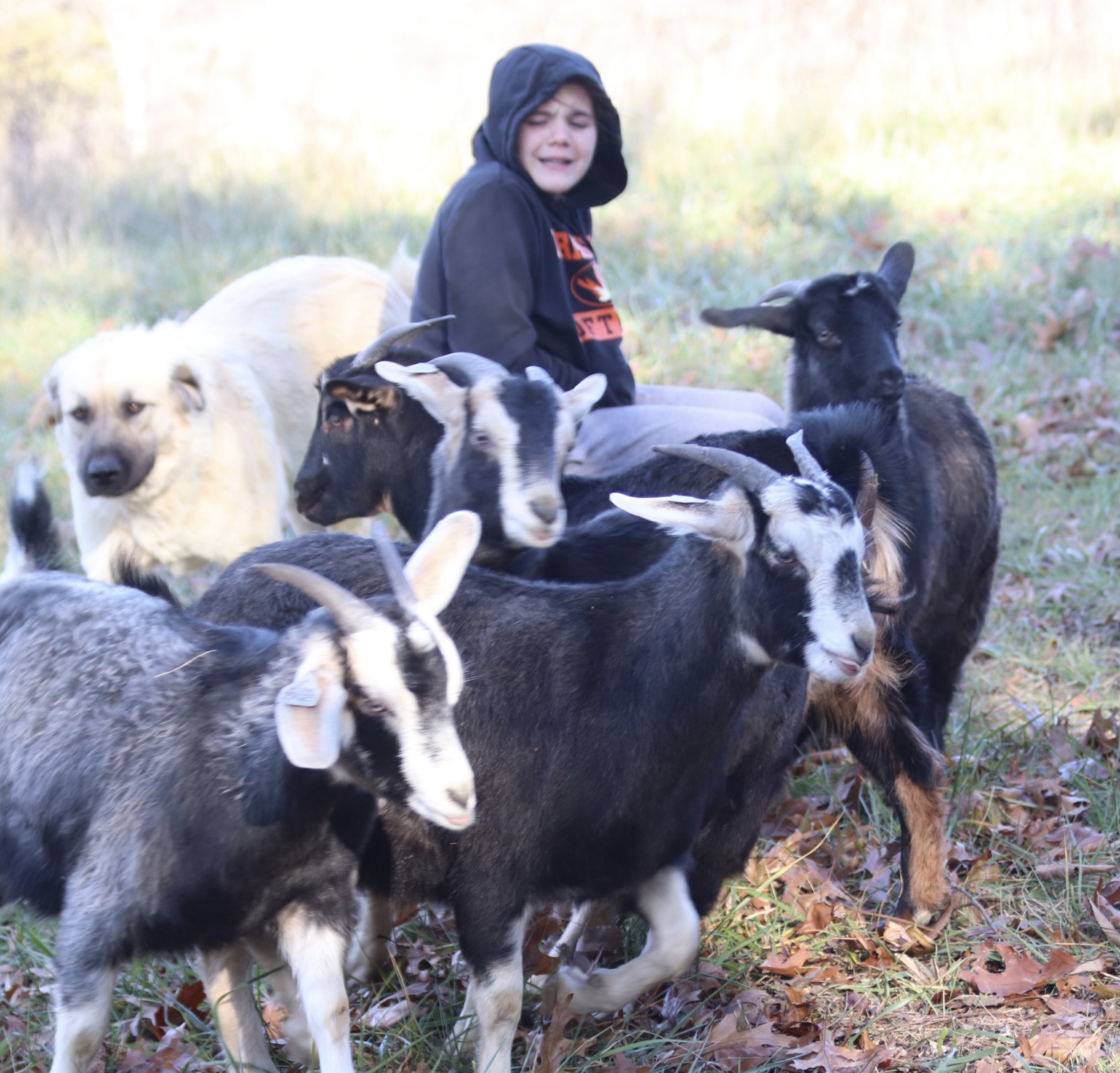
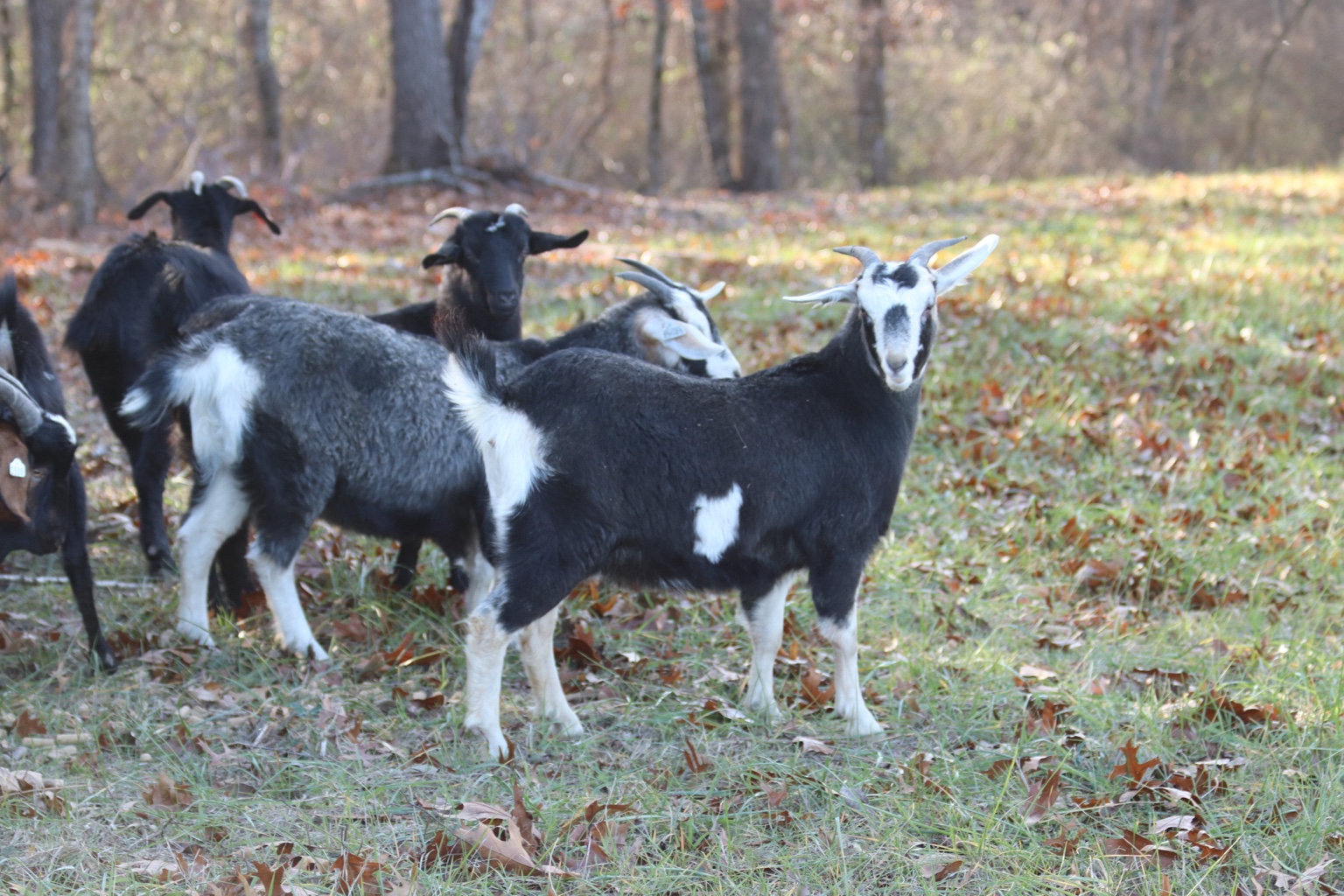
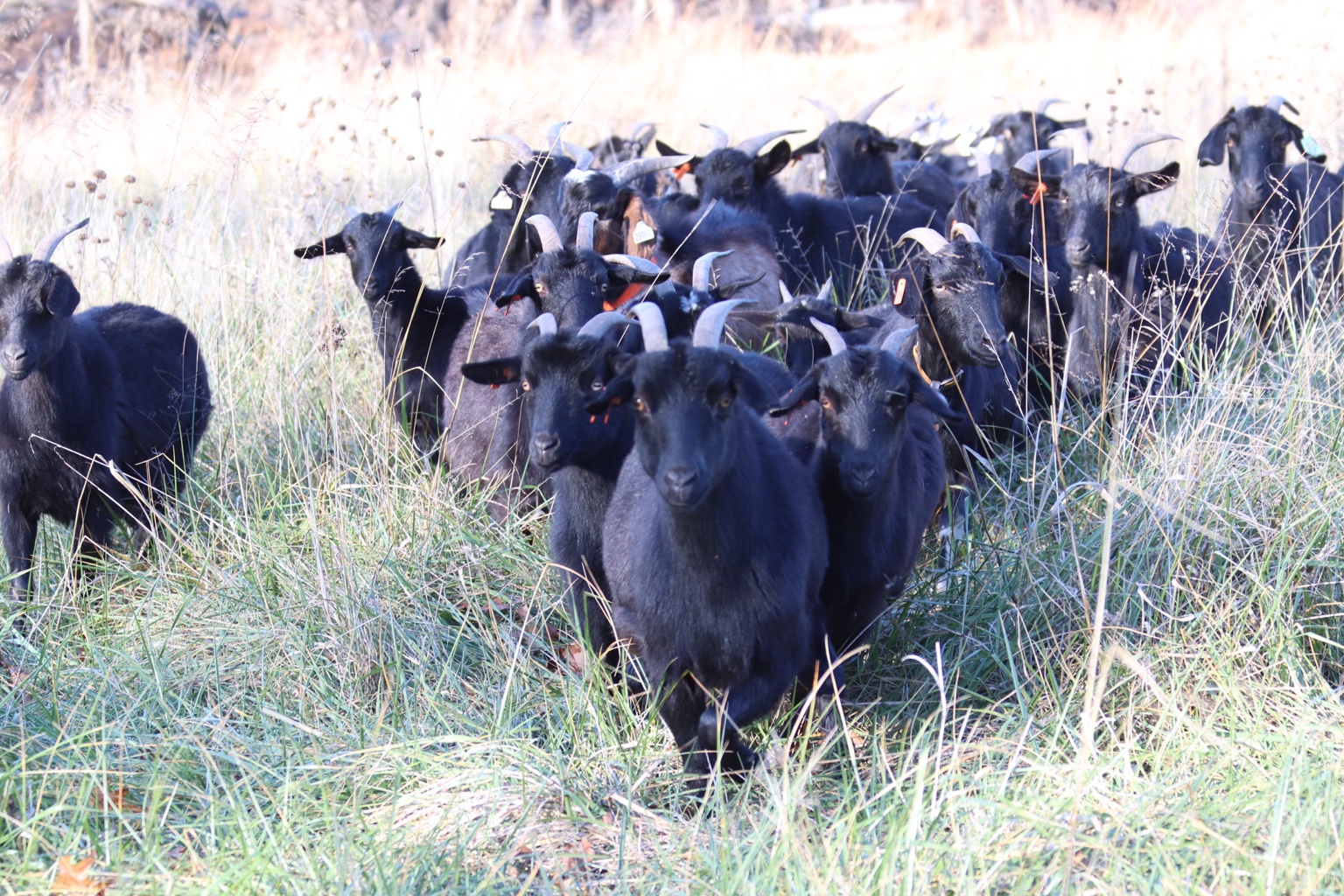
Targeted goat browsing for farms, ranches, woodland edges and hard-to-reach ground around Kirksville and northeast Missouri.
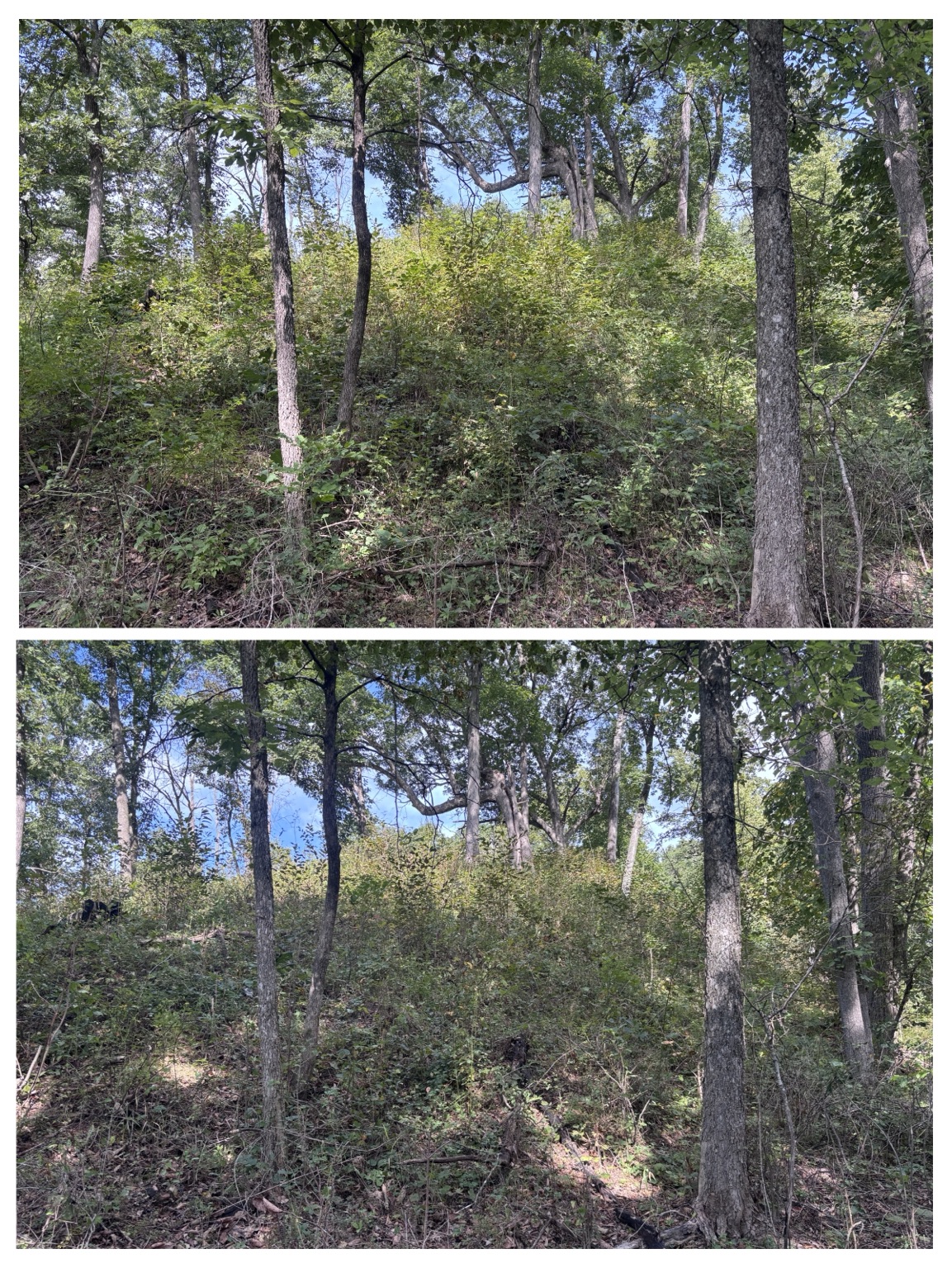
We put goats where unwanted understory and fast-growing, thorny plants are taking over. Their appetite for brush makes them a useful addition to a broader land-management plan, with treatment guided by your goals.
Cattle primarily graze grass; goats prefer leaves, woody shoots and brush. These different feeding preferences help them complement each other, reducing competition when ample browse is available and stocking is managed.
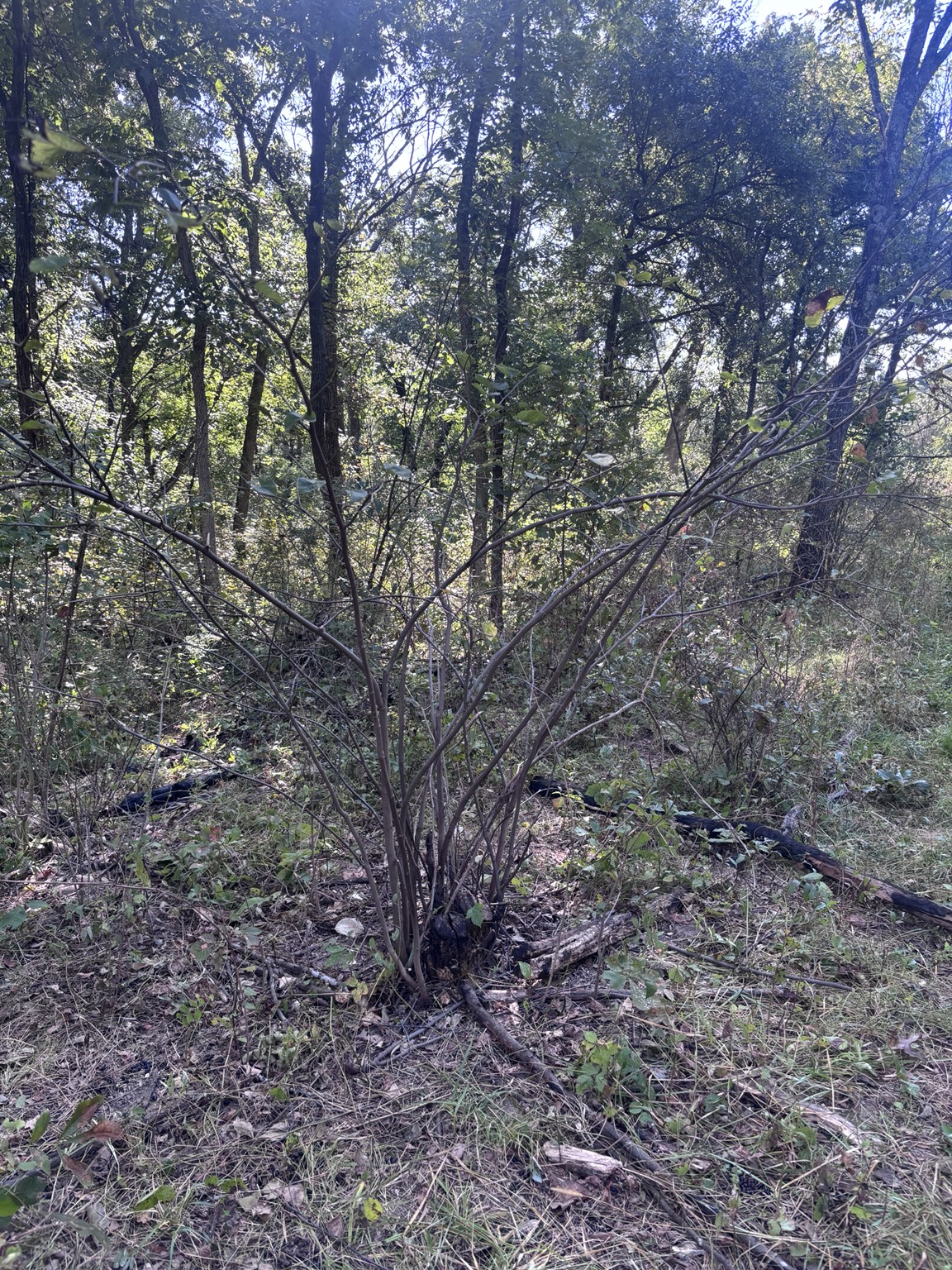
Goats can browse unwanted woody vegetation ahead of a planned burn, or return the following growing season to target new shoots and regrowth. Timing is coordinated with the burn plan and vegetation goals.
Mulching opens up overgrown ground. Follow-up browsing targets accessible shoots and fast-growing plants that can otherwise reclaim cleared areas, helping maintain the work already done.
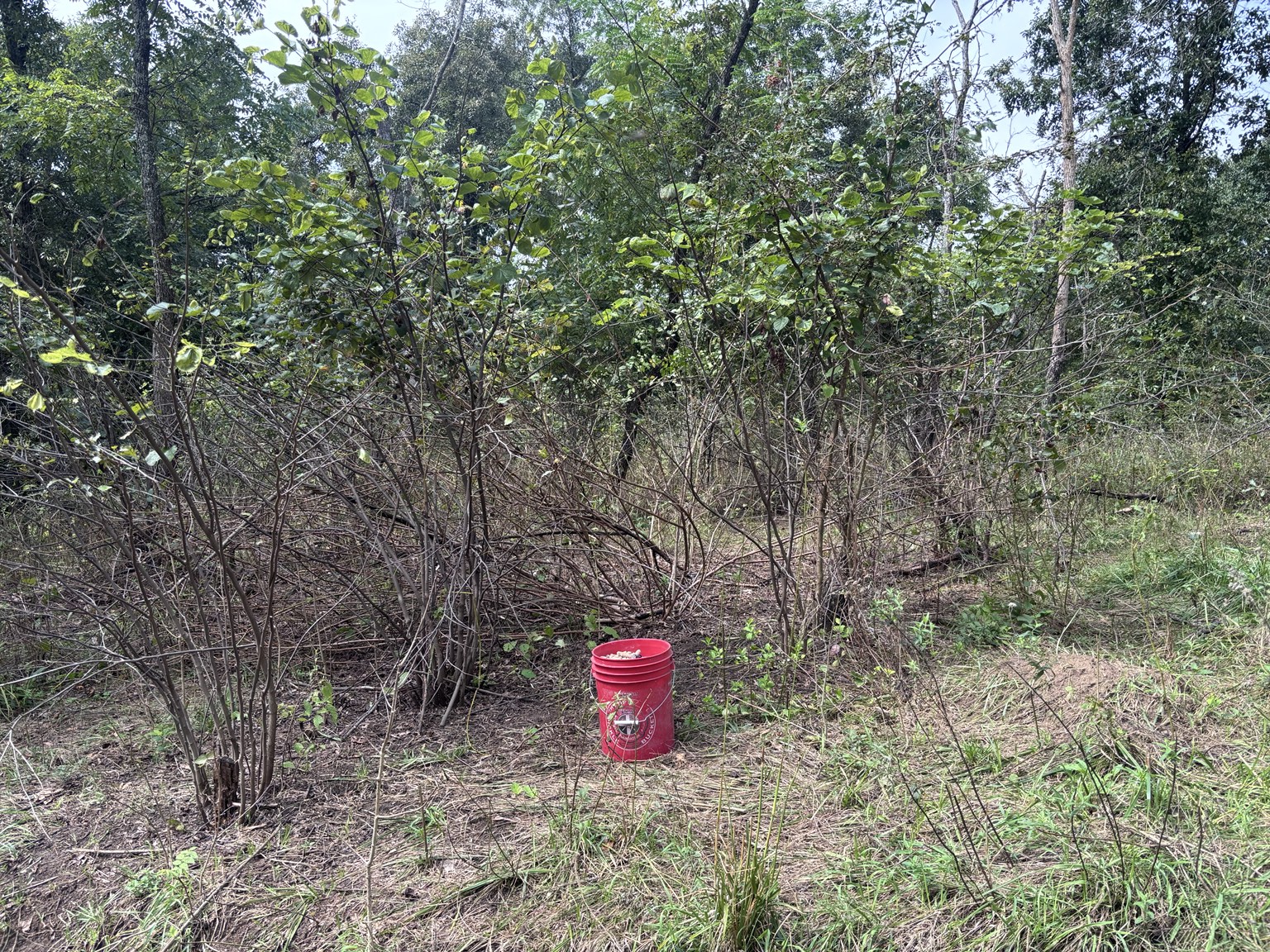
Our goats especially enjoy thorny brush and autumn olive. They reach woodland edges, slopes and tangled places where mowing can be difficult.
With the right pressure, timing and repeated treatment, browsing can weaken unwanted plants and sometimes kill them. Established shrubs may resprout, so long-term control depends on the species and follow-up management.
The browsing treatment uses no herbicide and reduces reliance on heavy equipment, helping limit rutting and soil disturbance. We manage grazing pressure around soil conditions and the plants you want to retain.
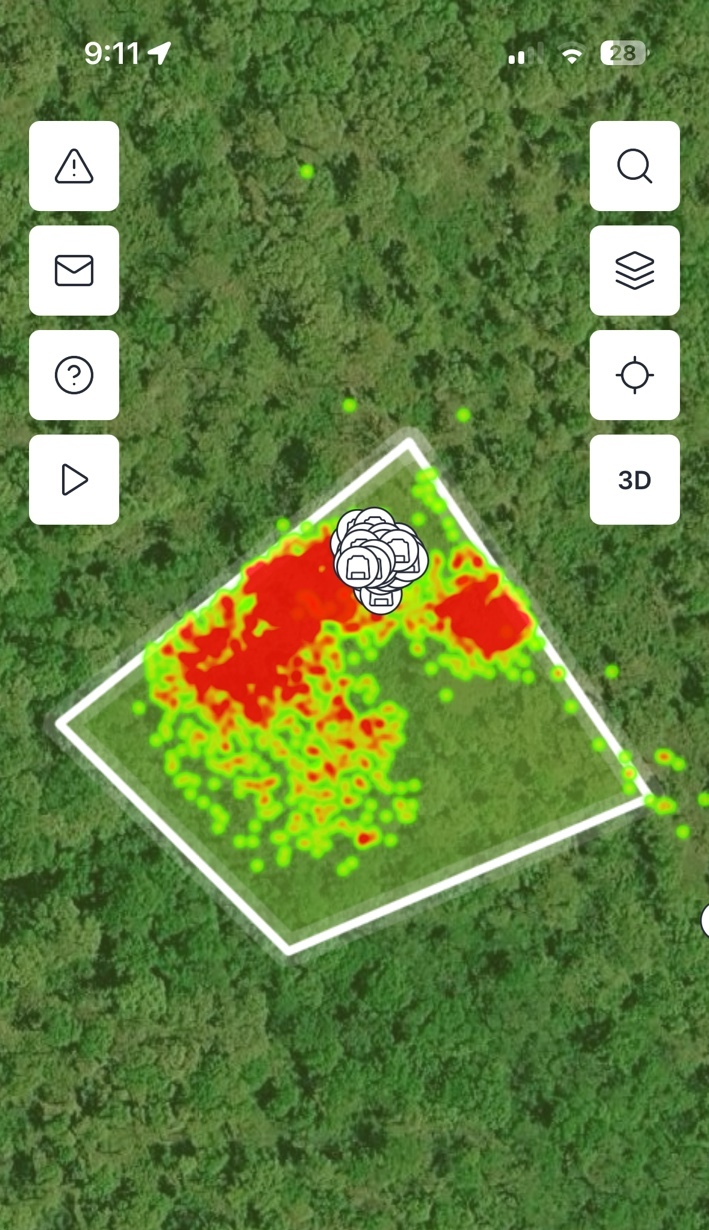
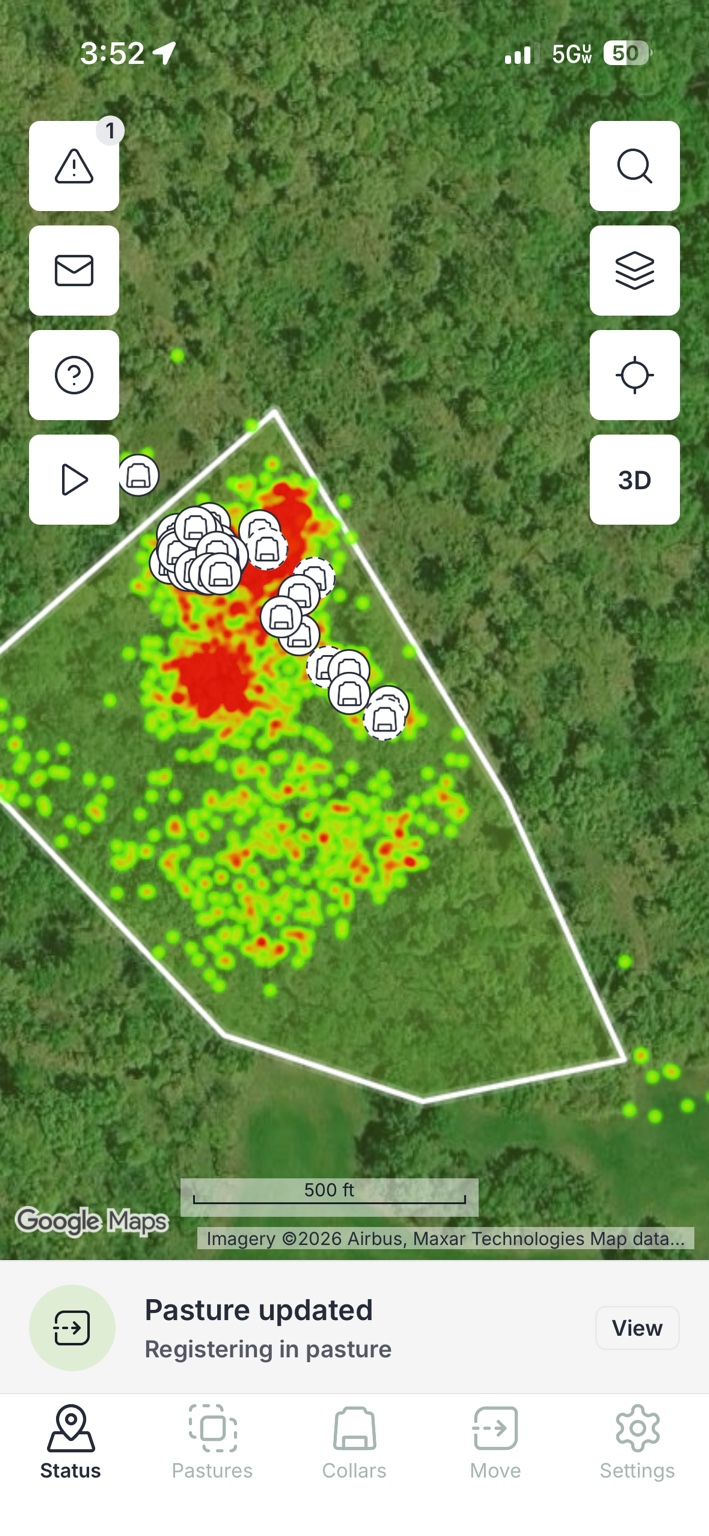
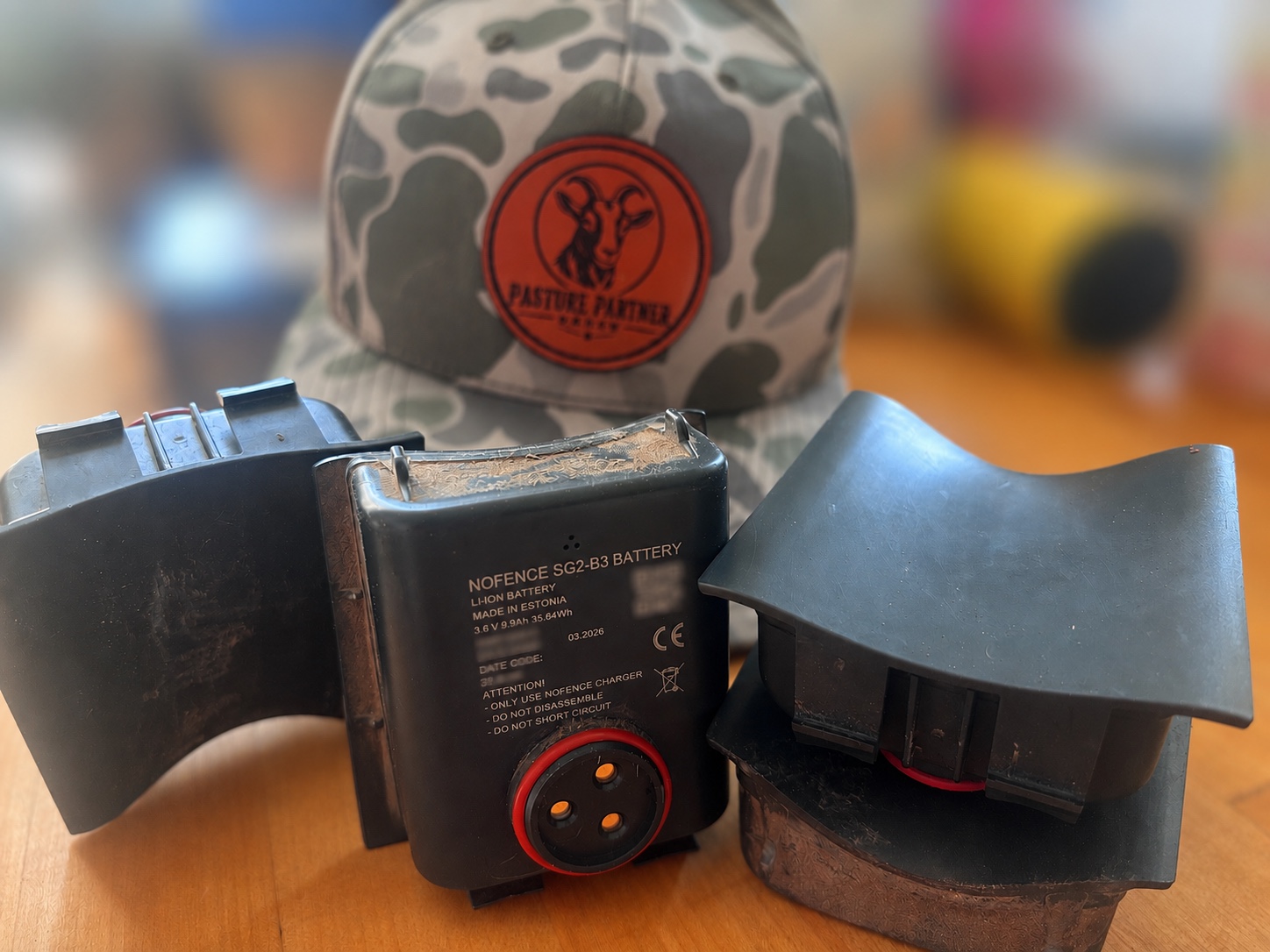
Virtual boundaries guide the goats through planned treatment areas, without installing conventional fencing on suitable sites. We assess roads, neighboring properties and other site boundaries before deployment.
Our mobile watering system supplies the herd’s drinking water and keeps on-site infrastructure needs low. We coordinate water access and refills as part of the project plan.
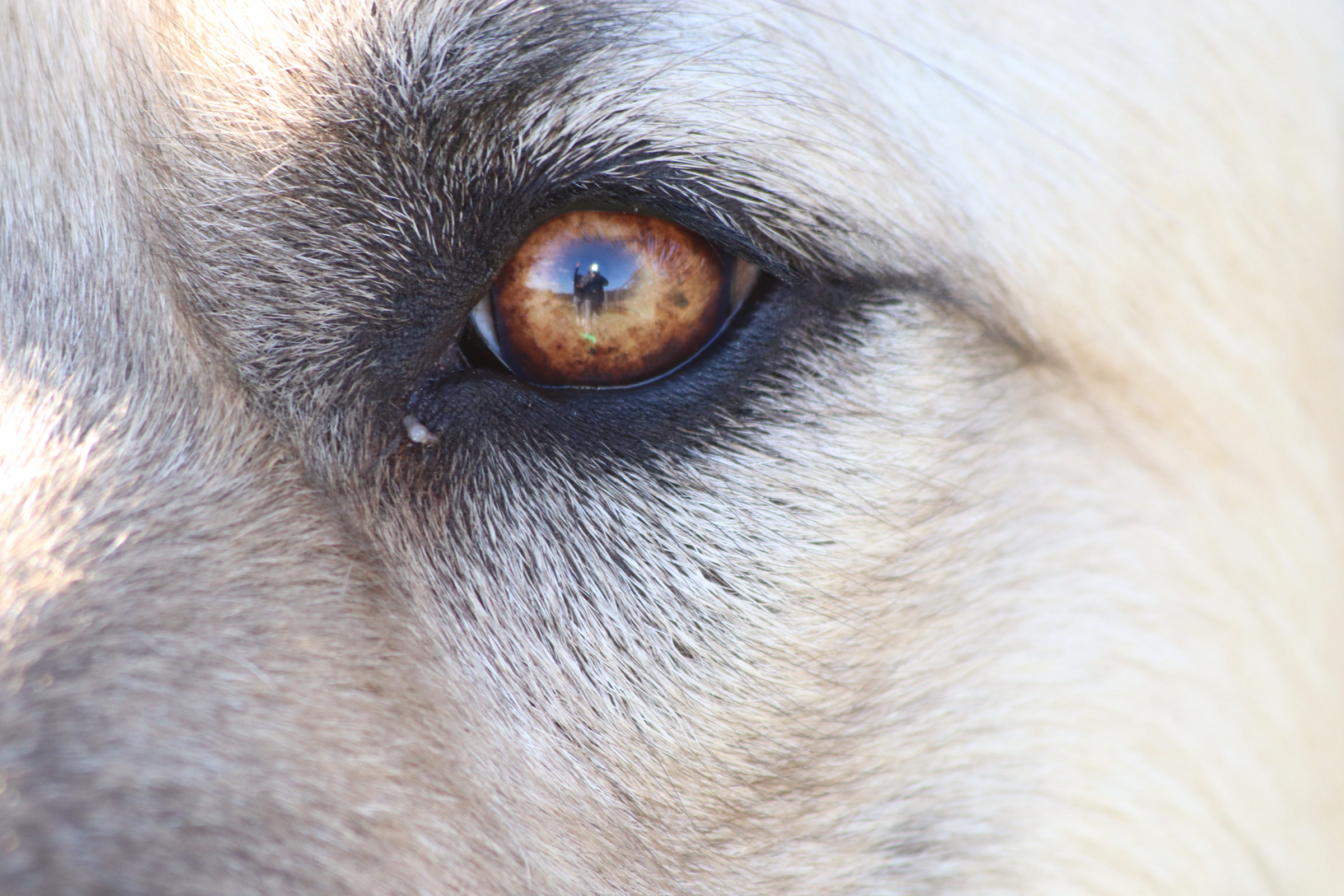
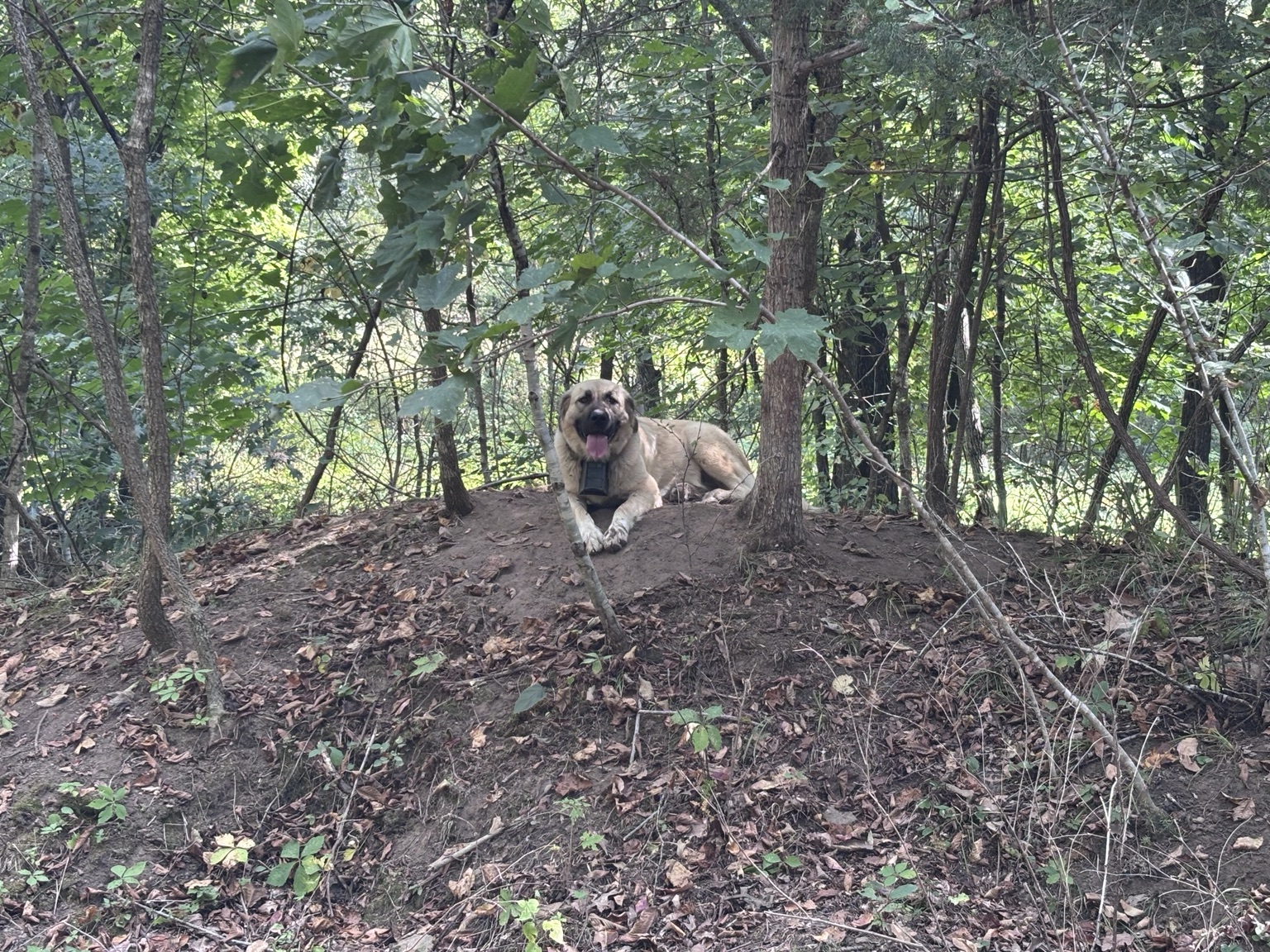
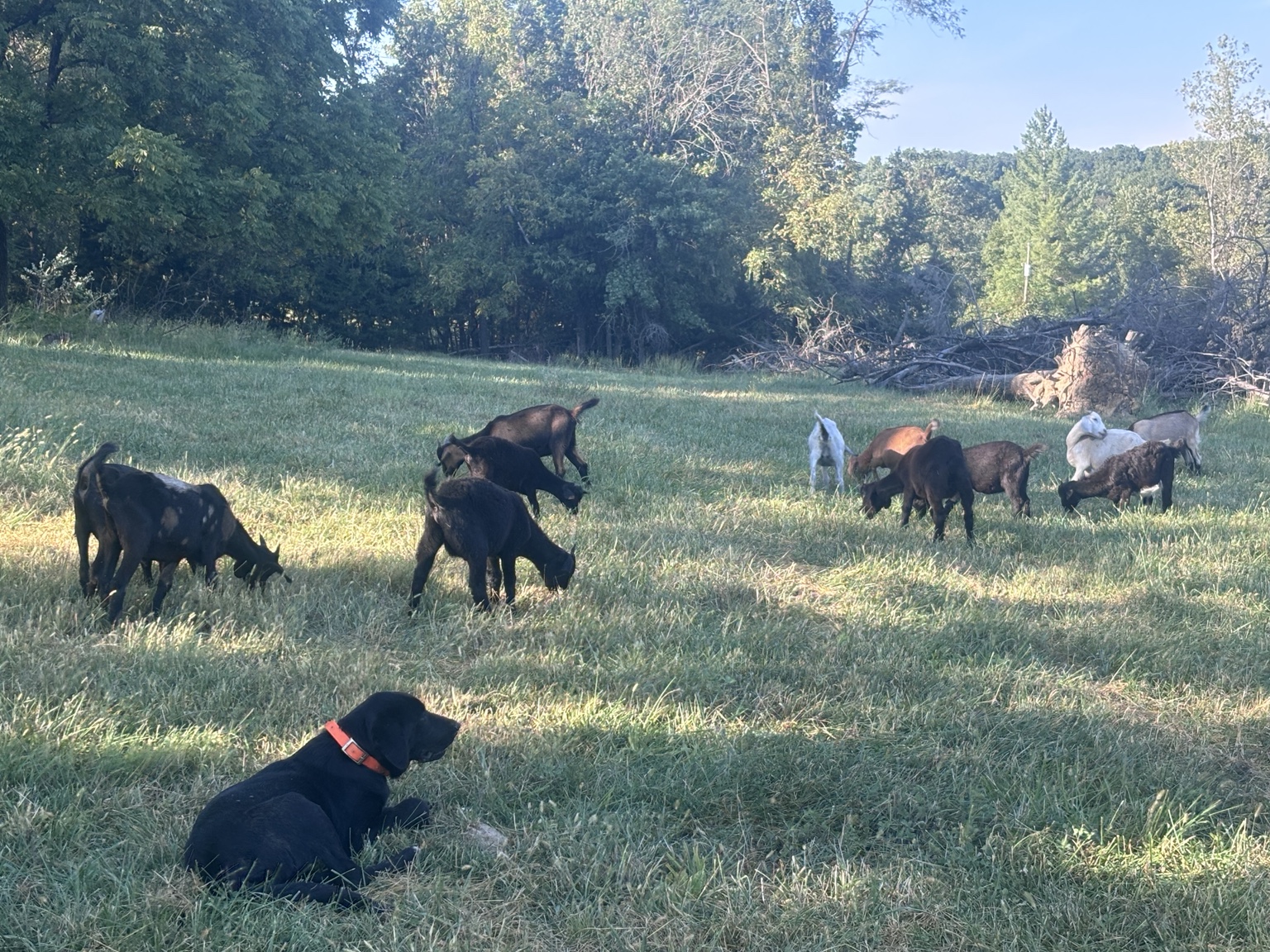
A guardian dog accompanies the herd to help deter predators and protect the goats while they work.
Longer placements allow us to plan rotations, maintain browsing pressure and follow vegetation response. Tell the ranch about your acreage, target plants, access, water availability and desired timing to discuss a plan for your property.
Text the ranch about your land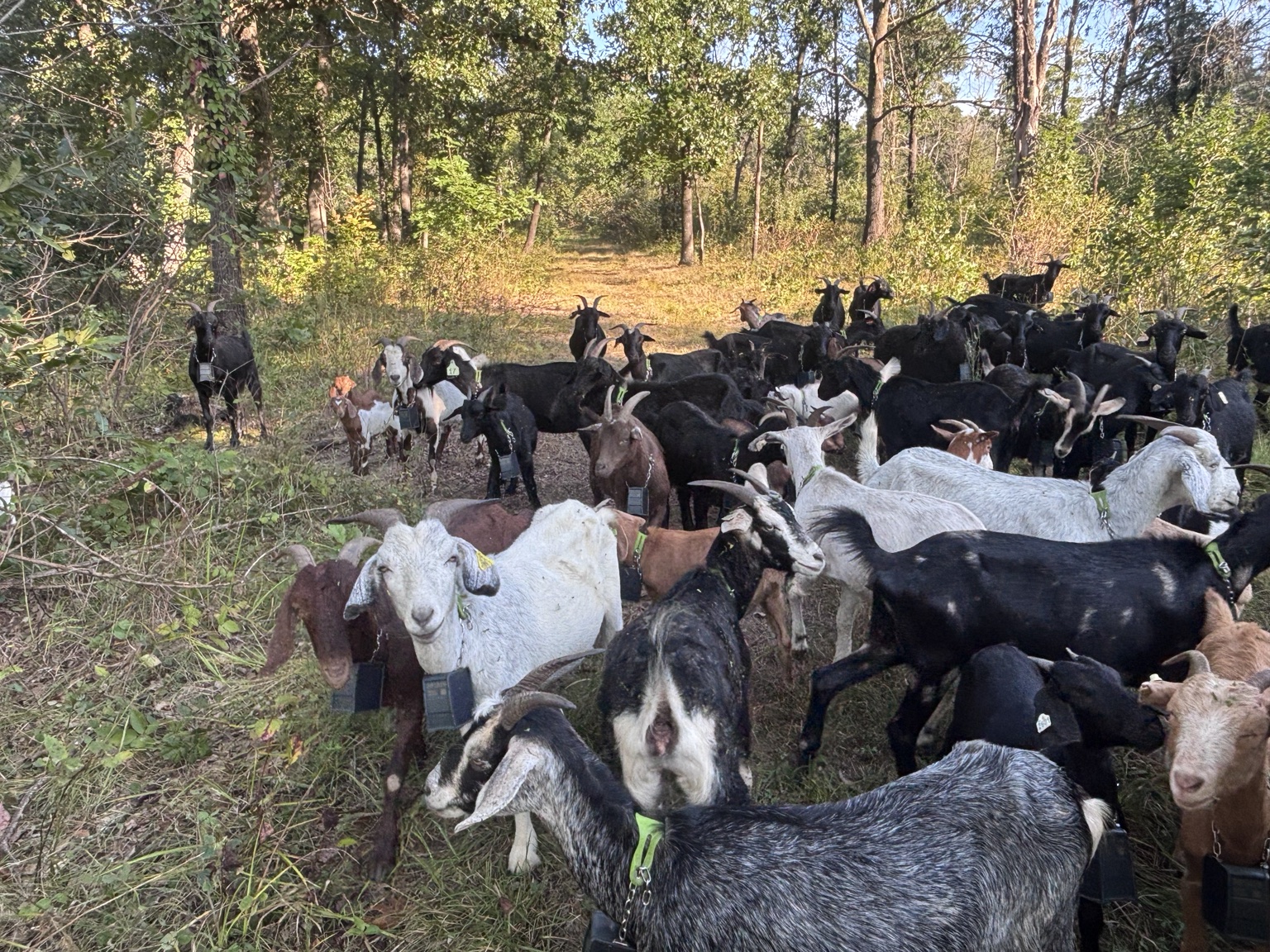
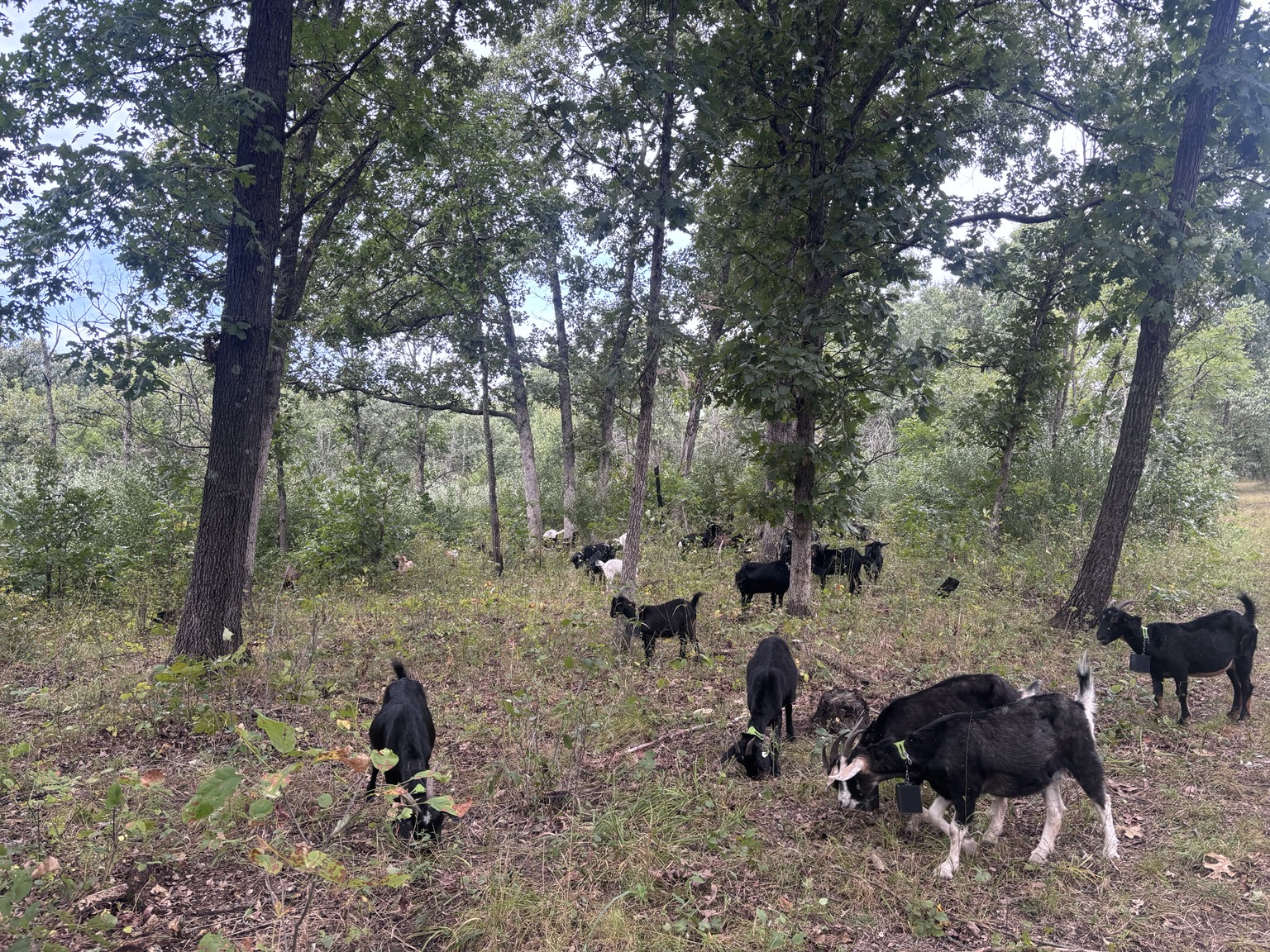
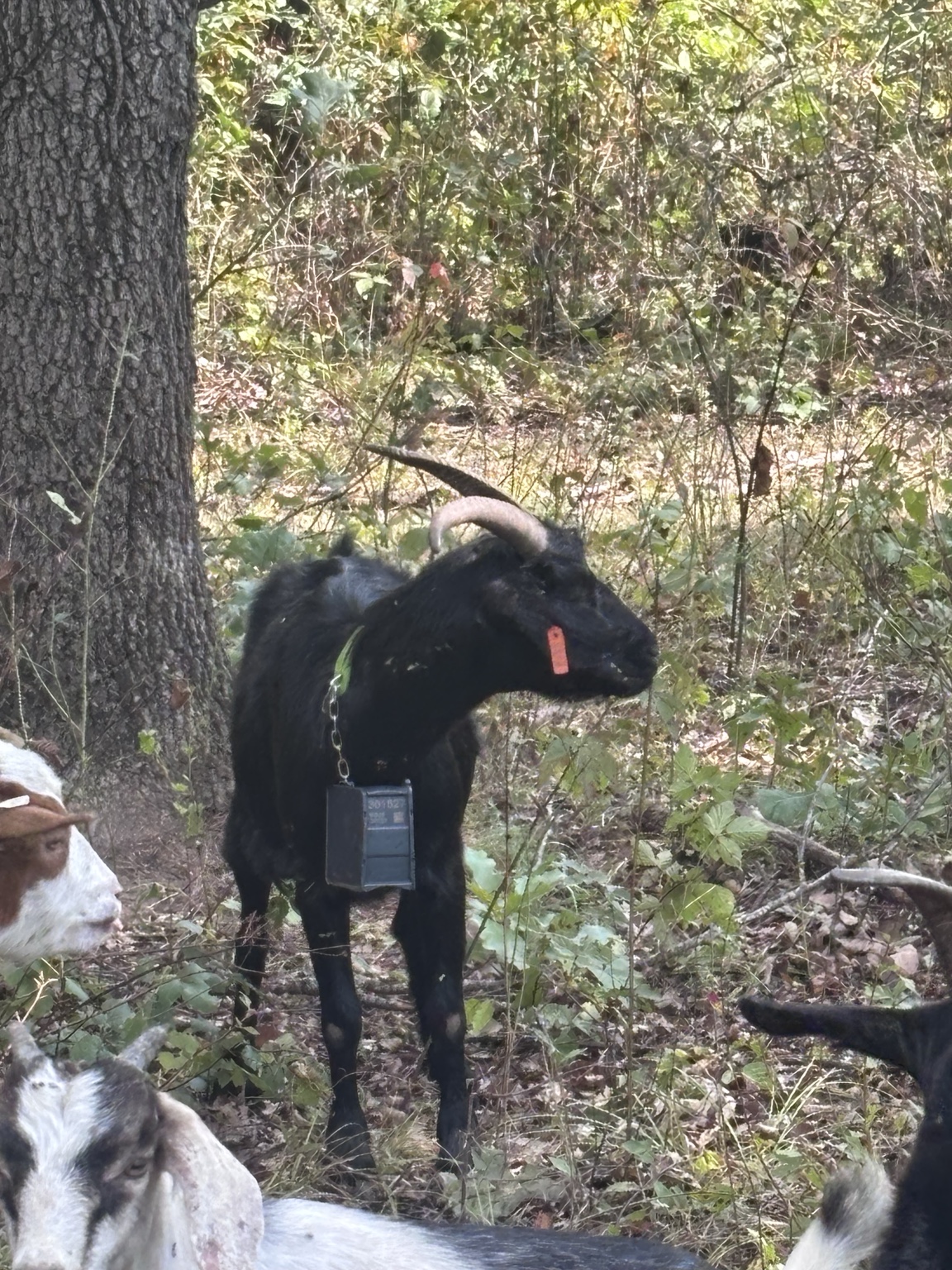
Ask the ranch about current availability, individual animals and pricing. Selection changes with the season.
Male Spanish goats for buyers looking for a herd sire. Contact the ranch to discuss age, breeding goals and available animals.
Ask about bucksFemale Spanish goats for starting or expanding a herd. Ask about available nannies and their breeding history.
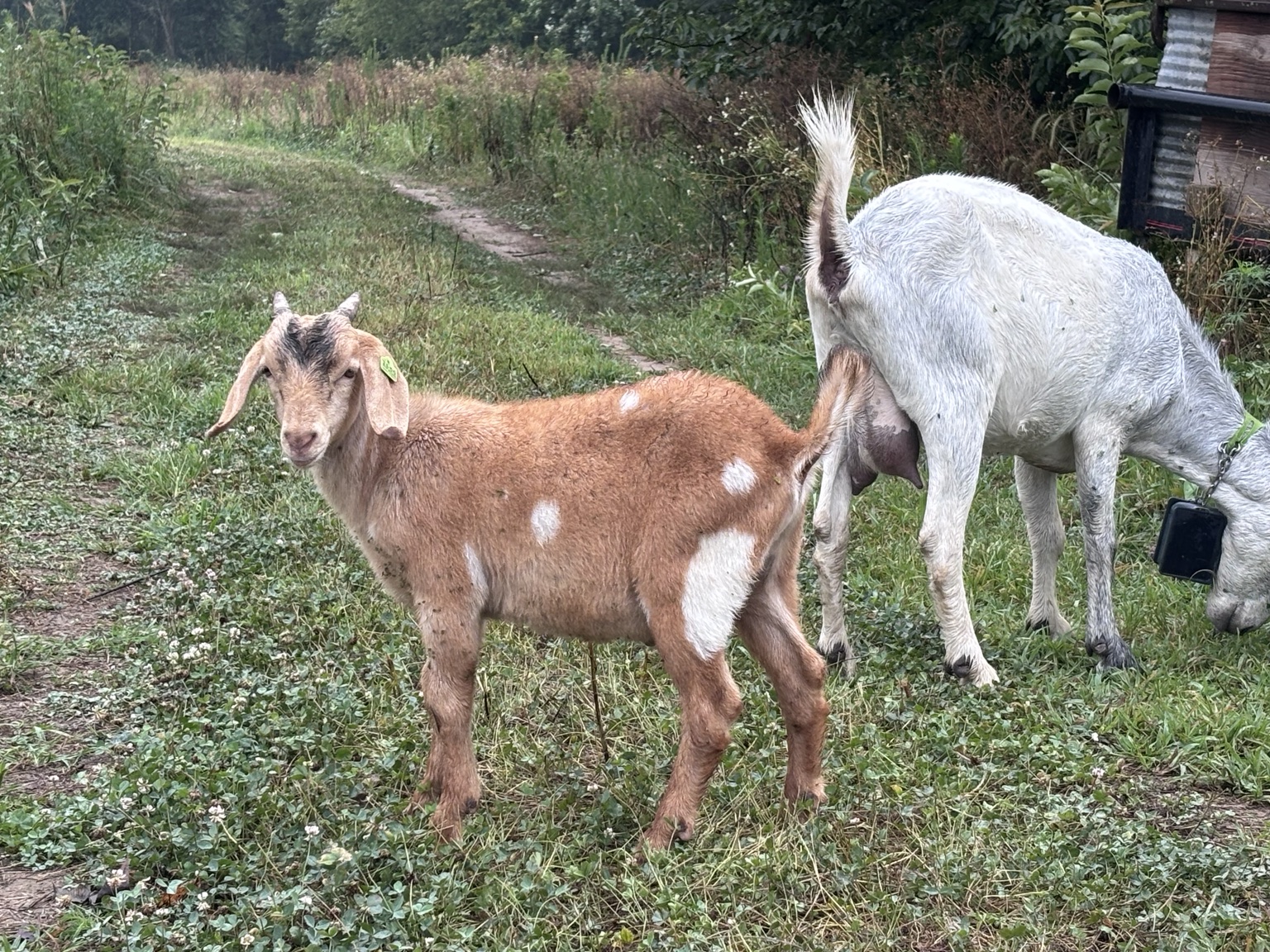
Ask about nanniesYoung Spanish goats. Ask about available bucklings and doelings, ages and readiness to leave the ranch.
Ask about kidsAsk the ranch about yearlings and other young goats available for sale. Contact the ranch to confirm which pictured animals are available, their ages, breeding background and pricing.
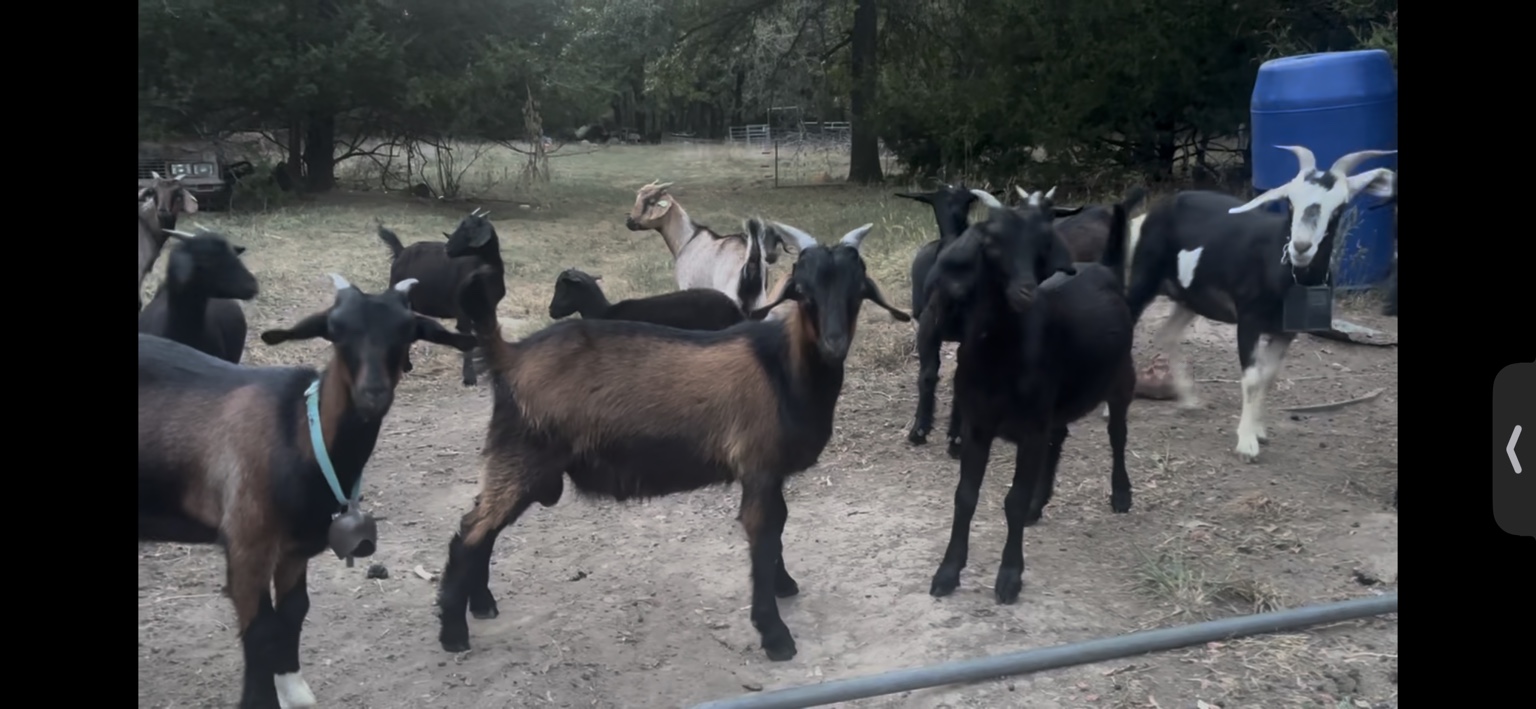
Looking for a goat for meat?
Contact the ranch about live goats available for butcher purposes, current sizes, pricing and pickup arrangements.
Discuss processing arrangements before purchasing. Availability is confirmed directly with the ranch.
Ask about butcher goatsPasture Partner Ranch · Kirksville, Missouri
660-341-7376